
Blog
Are You Throwing Away Your Aprons Too Soon?

Many people replace their aprons as soon as they look stained, faded, or slightly worn. However, an apron that looks old may still have plenty of life left. Simple habits like proper washing, careful drying, correct storage, and quick stain removal can help aprons last much longer. The lifespan of an apron also depends on its material, as cotton, denim, polyester, and leather each require different care. Replacing aprons too often can become expensive, especially for restaurants, workshops, and busy households. With the right care, you can protect your aprons, reduce waste, and save money over time.
How Long Should an Apron Really Last?
A good apron can last anywhere from several months to several years, depending on how it is used and cared for. There is no fixed lifespan for every apron because materials, cleaning methods, and working conditions vary. Regular care, proper washing, and timely repairs can help extend its useful life significantly.
What Determines an Apron’s Lifespan?
Several factors affect how long an apron remains useful. Fabric quality matters because strong materials usually resist tearing and repeated washing better. Frequent use can cause faster wear, especially during demanding work. Heat, stains, moisture, and harsh cleaning products can also weaken fabric. Proper storage helps prevent unnecessary damage.
Do Expensive Aprons Last Longer?
An expensive apron does not always guarantee better quality. Price and durability are not necessarily the same. However, well-made aprons often use stronger fabrics, reinforced stitching, durable straps, and reliable hardware. These details can help an apron handle regular use for longer. A quality apron may therefore offer better long-term value.
7 Signs You Are Replacing Your Apron Too Soon
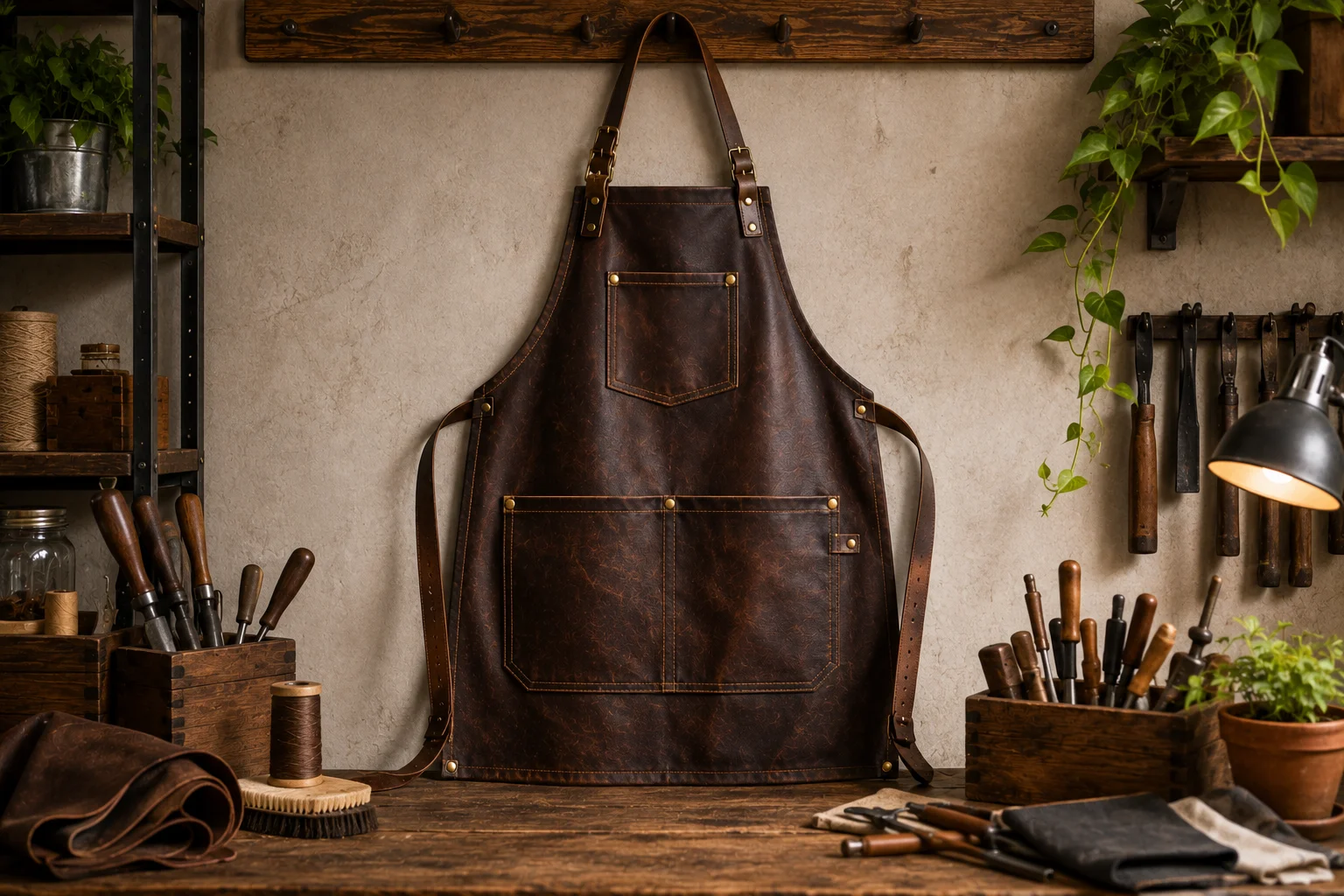
1. Small Stains Do Not Mean Your Apron Is Finished
Small food, grease, or work stains do not always mean your apron needs replacing. Many stains can be removed with prompt treatment and the right cleaning method. Pre-treat the affected area, wash according to the fabric instructions, and avoid harsh products that may damage the material.
2. Faded Fabric Can Still Be Useful
Faded fabric may look older, but fading does not always mean the apron has lost its usefulness. If the material remains strong, intact, and comfortable, it can still provide good coverage and protection. Check for thinning, holes, or weak areas instead of judging the apron only by its color.
3. Minor Wrinkles Are Not a Reason to Throw It Away
Wrinkles are normal when using and washing many apron fabrics. Proper washing, drying, and ironing can help restore a neat appearance. Some natural materials may become softer or develop slight texture changes over time. These changes are usually cosmetic and do not necessarily mean the apron is worn out.
4. Loose Threads Can Often Be Repaired
A few loose threads are usually a small repair rather than a reason to replace an apron. Trim loose ends carefully and reinforce weak stitching with a few simple stitches. Fixing small problems early can prevent seams from opening further. Regularly checking stitching helps keep an apron usable for longer.
5. A Small Tear Does Not Always Mean Replacement
A small tear can often be repaired before it becomes a larger problem. Sewing the damaged area or adding a suitable fabric patch can restore its usefulness. Inspect the tear carefully to see whether the surrounding material remains strong. Early repairs can save money and help extend the apron’s lifespan.
6. Worn Straps May Be Replaceable
Worn apron straps, ties, buckles, or neck pieces do not always require a completely new apron. Depending on the design, these parts can often be replaced or repaired separately. A new tie or strap may restore comfort and secure fitting. Replacing one damaged component can extend the apron’s useful life.
7. Slight Color Changes Do Not Always Affect Performance
An apron may gradually change color because of washing, sunlight, heat, or regular use. While this can affect its appearance, it does not always affect performance. If the fabric remains strong, clean, and free from serious damage, the apron can continue working effectively. Function should matter more than minor color changes.
When Should You Actually Replace Your Apron?
An apron should be replaced when damage affects its strength, cleanliness, comfort, or ability to provide proper protection. While small stains, fading, wrinkles, and loose threads can often be managed, serious damage should not be ignored. Knowing when an apron has reached the end of its useful life helps you stay safe and avoid unnecessary replacement costs.
Signs of Serious Fabric Damage
Large holes, severe thinning, burn marks, and badly weakened fabric are clear signs that an apron may need replacement. Heavy deterioration can reduce its ability to provide proper coverage and protection. If repairs are no longer practical or the material continues tearing, replacing the apron is usually the better choice.
When the Apron No Longer Provides Proper Protection
Protection should always matter more than appearance. An apron that looks faded can still work well, but one with large holes, exposed areas, severe thinning, or heat damage may not provide adequate coverage. Replace it immediately when damage could allow spills, heat, dirt, or other workplace hazards to reach your clothing or skin.
When Cleaning No Longer Works
A normal stain does not automatically make an apron unusable. However, permanent contamination, deeply absorbed substances, strong odors, or stains that cannot be safely removed may be a different matter. If repeated washing cannot restore acceptable cleanliness, replacing the apron may be more practical than continuing to clean it.
Does Washing Your Apron Too Often Reduce Its Lifespan?
Washing your apron regularly is important for keeping it clean and fresh. However, washing it too often or using the wrong method can slowly reduce its lifespan. Repeated washing, strong detergents, high temperatures, and rough cycles can affect the fabric. Proper care helps maintain an apron for longer.
How Frequent Washing Affects Fabric
- Weakens fabric fibers: Repeated washing can gradually make some fabrics weaker.
- Causes fading: Frequent washing may cause colors to lose their original brightness.
- Can cause shrinking: Some natural fabrics may shrink when washed repeatedly, especially with heat.
- Changes the shape: Rough washing and drying can affect the original shape of an apron.
- Reduces softness: Strong detergents and frequent washing may make fabric feel rough over time.
The Right Way to Wash an Apron
- Check the care label: Follow the manufacturer’s washing and drying instructions.
- Use the correct water temperature: Choose cold, warm, or hot water based on the fabric requirements.
- Avoid excessive detergent: Too much detergent can leave residue and may affect the fabric.
- Choose a suitable cycle: Use a gentle cycle for delicate or lightweight materials.
- Dry it properly: Follow the recommended drying method and avoid unnecessary high heat.
Can Hot Water Damage an Apron?
- Cotton: Hot water can cause shrinking and may gradually weaken cotton fibers.
- Polyester: High temperatures may affect the fabric’s shape or finish.
- Denim: Excessive heat can contribute to fading and shrinking.
- Leather: Hot water should generally be avoided because it can damage the material.
- Cold or warm water: These options are often gentler and can help reduce unnecessary fabric wear when allowed by the care label.
Common Apron Care Mistakes That Can Damage It
Taking care of your apron the right way can help it last longer. However, simple mistakes can slowly damage the fabric, color, and stitching. Using too much detergent, leaving stains untreated, using high heat, or storing the apron while damp can reduce its useful life.
Using Too Much Detergent
Using extra detergent may seem like a good way to get your apron cleaner, but it can leave soap behind in the fabric. This buildup can make the apron feel stiff and may attract more dirt. Always use the recommended amount of detergent for a cleaner and softer apron.
Ignoring Stains for Too Long
Leaving stains on your apron for several days can make them harder to remove. Food, grease, and drink stains can settle deep into the fabric. Try to clean stains as soon as possible. Quick cleaning can help keep your apron looking fresh and reduce the need for strong cleaning products.
Using High Heat Too Often
High heat from a dryer or iron can slowly weaken apron fabric. It may also cause shrinking, fading, or damage to the stitching. Always check the care label before using heat. When possible, use a lower temperature and allow the apron to air dry naturally.
Storing a Damp Apron
Never put a damp apron into a drawer, cupboard, or bag. Trapped moisture can create bad smells and may encourage mildew to grow. After washing or using your apron, hang it in a dry, well-ventilated place. Make sure it is completely dry before storing it.
Leaving an Apron Crumpled After Use
Leaving your apron crumpled after use can trap moisture, food particles, and odors in the fabric. It can also create deep wrinkles. Instead, shake it out and hang it properly after use. Good drying and storage habits help keep the apron cleaner, fresher, and ready for your next use.
How to Make Your Aprons Last Longer
You can make your apron last longer by giving it simple and regular care. Clean stains quickly, follow washing instructions, repair small damage, and store the apron properly. These easy steps can protect the fabric, keep the apron looking better, and help you avoid buying a new one too often.
Clean Stains as Soon as Possible
Clean stains soon after they appear. Fresh stains are usually easier to remove than old, dried stains. Gently wipe away food or dirt and use a cleaner that is safe for the fabric. Avoid rubbing too hard because this can damage the fibers. Quick cleaning can help prevent permanent marks.
Follow the Fabric Care Instructions
Always check the care label before washing your apron. The label tells you the right water temperature, washing method, drying instructions, and ironing settings. Following these instructions helps prevent shrinking, fading, and fabric damage. Different materials need different care, so avoid using the same washing method for every apron.
Rotate Between Multiple Aprons
If you use aprons often, consider having two or more. Rotating them means each apron gets less daily wear and fewer washing cycles. It also gives each apron time to dry completely between uses. Using different aprons regularly can reduce stress on the fabric and help each one last longer.
Repair Small Problems Early
Do not ignore small problems such as loose stitching, missing buttons, worn straps, or tiny tears. Simple repairs can often be done quickly with basic sewing. Fixing damage early can stop it from becoming worse. A small repair may save you from replacing the entire apron when most of it is still useful.
Store Aprons Properly
Store your apron only when it is clean and completely dry. Hang it on a hook or fold it neatly to prevent unnecessary wrinkles. Keep aprons away from damp places, direct moisture, and overcrowded storage areas. Good storage helps prevent odors, mildew, fabric damage, and unnecessary wear between uses.
How Different Apron Materials Affect Durability
Different apron materials have different levels of strength, comfort, and care needs. Choosing the right material for your work can help your apron last longer. Cotton is comfortable, denim and canvas are strong, leather needs special care, while polyester blends are often easy to wash and maintain.
Cotton Aprons
Cotton aprons are soft, comfortable, and breathable, making them a good choice for everyday cooking and light work. They are easy to wash but may shrink or fade with repeated hot washing. With gentle cleaning and proper drying, a good cotton apron can remain useful and comfortable for a long time.
Denim Aprons
Denim aprons are known for their strong and sturdy fabric. They are suitable for cooking, workshops, crafts, and other jobs that need extra durability. Denim can handle regular use well, although repeated washing may cause fading. Proper washing and drying can help maintain its strength and extend its useful life.
Canvas Aprons
Canvas aprons are made from strong, thick fabric and are useful for demanding work. They can handle heavier tasks better than many lightweight fabrics. They are often suitable for workshops, gardening, crafts, and other activities where extra protection is helpful. Regular cleaning and proper storage can keep canvas aprons in good condition.
Leather Aprons
Leather aprons need different care from normal fabric aprons. They should not usually be treated like cotton or polyester in a washing machine. Instead, clean leather gently using suitable products and keep it away from excessive moisture and heat. Proper conditioning and storage can help leather remain flexible, strong, and useful.
Polyester and Blended Aprons
Polyester and blended aprons are often easy to maintain and suitable for frequent use. They usually resist wrinkles and can handle regular washing well when cared for correctly. Blended fabrics can also combine the comfort of natural fibers with the easy care of synthetic materials, making them practical for busy workplaces and kitchens.
Are You Choosing the Right Apron for the Job?

The right apron depends on how you plan to use it. A lightweight cotton apron may work well in a home kitchen, while a stronger material may be better for workshops or gardening. Choosing an apron that matches your work can improve comfort, protection, durability, and overall value.
Kitchen and Cooking Aprons
For regular cooking, choose an apron that is comfortable, easy to wash, and provides good coverage. Cotton and polyester blends can be practical choices for everyday kitchen work. Look for strong ties, comfortable straps, and enough coverage to protect your clothing from food, splashes, and everyday kitchen messes.
Workshop and Craft Aprons
Workshop and craft aprons should be made from strong materials that can handle regular movement and heavier use. Denim and canvas are useful options for demanding tasks. Pockets are also helpful for keeping small tools and supplies nearby. Choose strong stitching and secure straps for better long-term performance.
Gardening Aprons
Gardening aprons should be comfortable, practical, and easy to move in. Look for durable fabric, useful pockets, and secure straps. Pockets can hold small gardening tools, seeds, or gloves while you work. A washable material is also helpful because gardening can leave an apron covered with soil and plant debris.
Professional and Restaurant Aprons
Professional aprons often need to handle frequent washing, long working hours, and regular movement. Choose materials that are durable, comfortable, and easy to clean. Appearance can also matter in restaurants, so select an apron that keeps a neat look after repeated use. Strong stitching and secure straps are useful for busy workplaces.
Repair or Replace? A Simple Apron Decision Guide
Before throwing away an apron, check the type and amount of damage. Some problems can be repaired quickly and cheaply, while serious damage may make replacement the better choice. Looking at the apron’s strength, cleanliness, comfort, and protective ability can help you make a sensible decision.
When Repairing Makes Sense
Small problems are often worth repairing instead of replacing the whole apron. Loose stitching can be sewn, small tears can be patched, and damaged ties can be replaced. Missing buttons are also simple to fix. If the main fabric remains strong and clean, a small repair can give the apron more useful life.
When Replacement Makes More Sense
Replacement is usually better when an apron has large holes, severe fabric weakness, serious burn damage, or permanent contamination. If the apron can no longer provide the protection it was designed to provide, do not rely on repairs alone. A new apron is the better choice when essential protection has been lost.
How Much Money Can You Save by Making Aprons Last Longer?
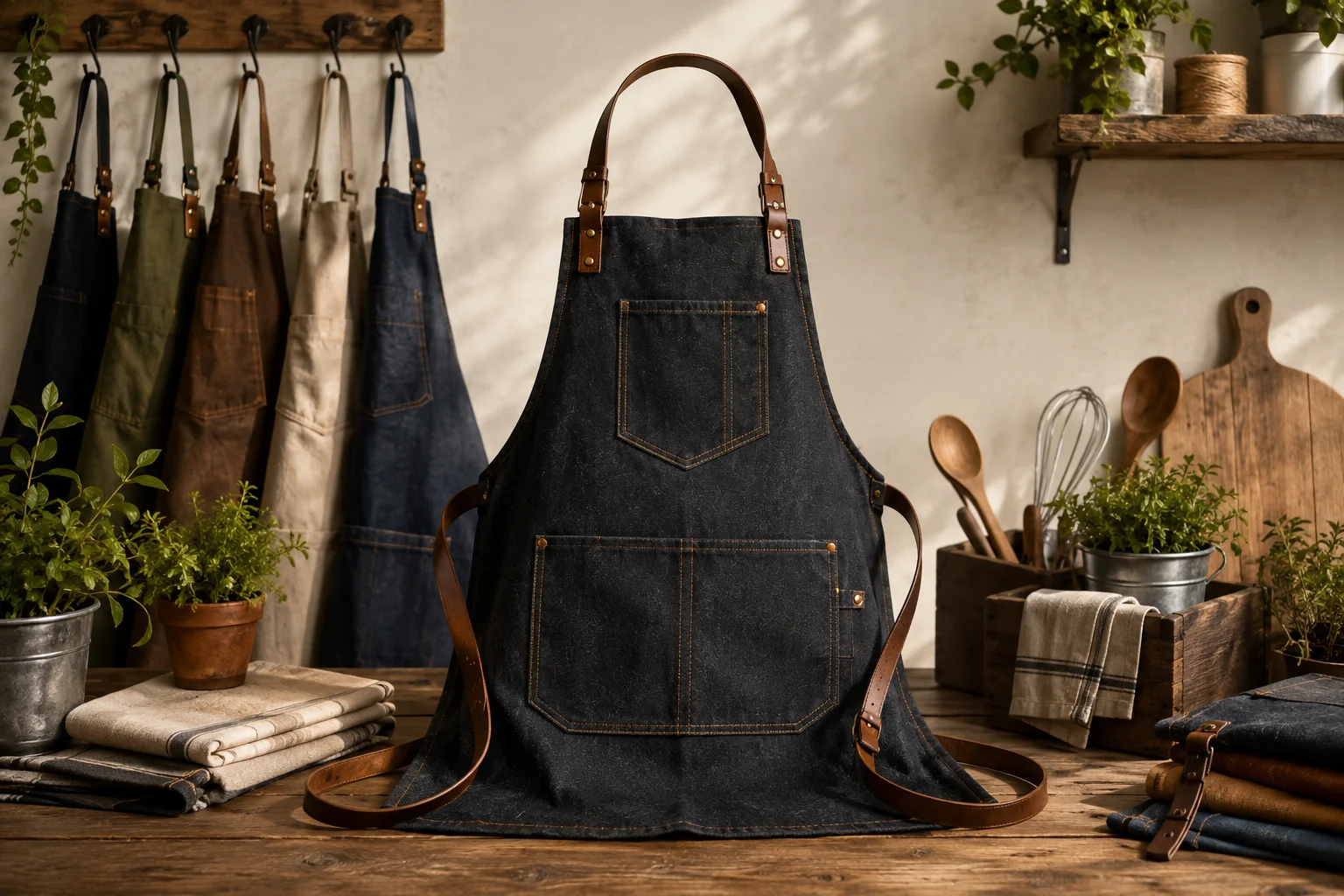
Making an apron last longer can help reduce unnecessary spending. Buying a replacement every few months can become expensive, especially for businesses that need several aprons. Simple care, timely repairs, and proper storage can help you get more use from each apron and reduce how often you need to buy replacements.
The Cost of Replacing Aprons Frequently
Replacing aprons again and again can add up over time. Even when one apron is affordable, buying several replacements each year increases the total cost. Businesses may face even higher expenses when many employees need aprons. Extending the life of existing aprons can help reduce these repeated purchasing costs.
The Value of Proper Apron Care
Simple care habits can help you save money over time. Clean stains quickly, follow washing instructions, repair small damage, rotate between several aprons, and store them correctly. These steps can reduce unnecessary wear and help each apron remain useful for longer, meaning you may not need to replace them as often.
Sustainable Apron Use: Buy Less, Care Better
Keeping an apron in use for longer can be a simple way to reduce unnecessary waste. Instead of replacing an apron because of minor cosmetic changes, consider whether it is still strong, clean, and useful. Buying fewer replacements and caring properly for existing aprons can support more responsible everyday consumption.
Why Extending Apron Life Matters
Every replacement means another product needs to be made, packaged, transported, and eventually discarded. Extending the useful life of an apron can reduce unnecessary waste and make better use of the materials already available. Repairing and caring for existing products can be a simple and practical approach to more sustainable use.
What to Do With an Old Apron
An old apron may still have useful life even if you no longer want to wear it. You can reuse it for cleaning, painting, gardening, or craft projects. If it is still in good condition, consider donating it. Some local recycling programs may also accept suitable fabric materials for recycling.
A Simple Apron Care Routine
A simple routine can make apron care easier and more consistent. Small checks after use can prevent dirt and stains from becoming difficult to remove. Regular washing, repairs, and condition checks can also help you notice problems early. Good habits can extend apron life without requiring much extra time.
After Every Use
After every use, remove visible food, dirt, or other debris from the apron. Shake it gently and hang it somewhere clean and dry. Allowing the apron to dry properly can help prevent unpleasant odors and moisture problems. Avoid leaving a damp or dirty apron in a closed bag or pile.
Every Few Uses
Every few uses, check the apron for stains, loose threads, damaged stitching, or worn straps. Wash it according to the care label and use suitable cleaning products. Regular checks make it easier to fix small problems before they become larger. This simple routine can help keep the apron clean and useful.
Every Few Months
Every few months, take a closer look at the apron’s overall condition. Check the fabric, seams, straps, buttons, and areas that receive the most wear. Repair minor problems when possible. Then decide whether the apron still provides the comfort, cleanliness, strength, and protection needed for your type of work.
Final Thoughts: Your Apron May Have More Life Left
A worn-looking apron does not always need replacing. Small stains, fading, loose threads, and minor tears can often be handled with proper care and simple repairs. Choosing the right material, washing it correctly, storing it properly, and checking its condition regularly can help extend its life. Replace your apron when serious damage affects its usefulness or protection.